

Dental implants are designed to function like natural teeth and support long-term oral health. Even with proper care, however, some patients experience complications that require professional attention. Dr. Fred Alger specializes in dental implant repair and provides advanced solutions for patients with implant discomfort, implant mobility, or other concerns that develop after a previous implant procedure.
Patients throughout Columbus and the surrounding areas trust Dr. Alger to evaluate their implants, diagnose the cause of the problem, and provide a clear plan for restoring stability, comfort, and function.
Expert Care for Dental Implant Problems
Many dentists place implants, but implant repair requires focused experience with the gums, the surrounding bone, and the biological systems that influence implant success. Dr. Alger is highly trained in both periodontics and implant dentistry. His practice routinely evaluates patients who received dental implant surgery elsewhere and now need help restoring the implant site.
Any change in comfort, stability, or appearance should be evaluated promptly. Early intervention helps prevent further complications, preserves surrounding gum tissue, and protects the jawbone.
Common issues that may require dental implant repair include:
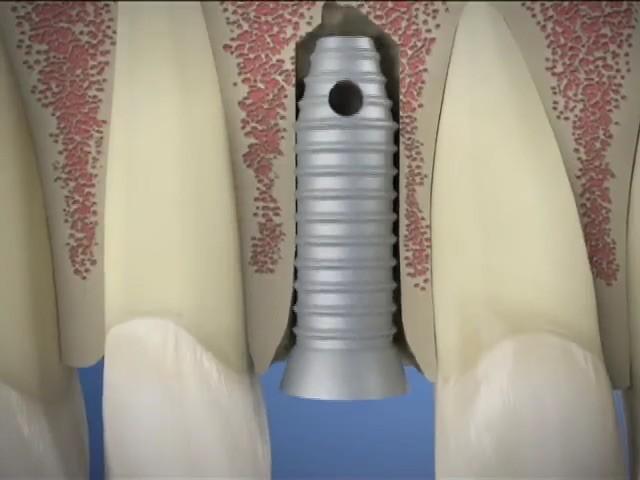
- Discomfort around the implant site
- Loose implant crowns or implant mobility
- Bone loss near the titanium post
- Poor implant placement
- Infection surrounding the implant
- Insufficient bone density to support the implant
- Changes in the gum line and gum recession
- Failure of the implant to fuse to the jawbone during the healing period
Dr. Alger performs a careful examination, reviews medical history, and evaluates the implant site to determine the safest and most effective treatment plan.
Why Dental Implants Sometimes Need Repair
A dental implant can function for many years when supported by healthy bone and excellent oral hygiene. Certain conditions, however, can interfere with long-term stability.
Osseointegration Problems
The healing process requires the titanium post to fuse with the jawbone. If the bone does not integrate with the implant, mobility or discomfort may develop. This is a common cause of early implant failure.
Infection Around the Implant
Inflammation of the surrounding gum tissue may occur due to bacteria, poor oral hygiene, or improper positioning. Infection can lead to bone loss if left untreated.
Insufficient Bone Support
Some patients experience gradual bone loss after tooth extraction or due to periodontal disease. When the bone becomes too thin or weak, the implant may lose stability.
Surgical or Restorative Issues
Complications can arise from improper placement, misaligned implant crowns, or restoration problems that place stress on the implant.
Medical Conditions
Certain medical conditions can affect healing. This may include uncontrolled diabetes, autoimmune disorders, or medications that influence bone growth.
No matter the cause, dental implant repair begins with an accurate diagnosis. Dr. Alger evaluates the condition of the jawbone, surrounding gum tissue, and implant components to determine the most effective next step.
Treatment Options for Dental Implant Repair
Repair options depend on the severity of the issue and the overall health of the implant site. Treatment may include one or more of the following:
Repairing or Replacing the Implant Crown
If the crown is loose, chipped, or poorly aligned, Dr. Alger can correct the restoration without removing the implant itself.
Treating Gum Inflammation or Infection
Targeted cleaning, improved oral care routines, and treatment of infected tissue can protect the implant and reduce the risk of implant failure.
Bone Grafting
For patients with bone loss or insufficient bone density, bone grafting provides additional support around the implant. Grafting material promotes bone growth and strengthens the jawbone so the implant can remain stable.
Adjusting or Replacing the Implant Post
In cases of persistent mobility or early implant failure, replacing the implant post may be necessary. Dr. Alger follows a detailed protocol to promote long-term success and protect the surrounding bone.
Full Implant Replacement
If the implant cannot be salvaged, a new implant may be recommended. Dr. Alger will guide you through each stage of treatment, including evaluation of bone quality, grafting when needed, and future implant placement.
Each treatment plan is customized, with careful consideration of the patient’s medical history, jawbone condition, and overall dental health.
Signs Your Dental Implant May Need Repair
Patients should contact the office if they experience:
- Pain when chewing
- Implant looseness
- Persistent bad taste near the implant
- Swelling or redness around the surgical site
- Bleeding near the implant
- Gum recession revealing more of the implant post
- Difficulty with the implant crown
- Any sensation that feels different from natural teeth
These symptoms can indicate infection, poor integration, or mechanical issues that need attention. Early evaluation reduces the risk of further complications.
Protecting Your Oral Health After Implant Repair
Long-term success depends on healthy gums, strong bone support, and excellent oral hygiene. Dr. Alger will recommend specific aftercare based on your treatment, which may include:
- Meticulous brushing and flossing
- Regular dental cleanings
- Avoiding tobacco use
- Monitoring gum recession
- Reporting any new discomfort immediately
Patients with repaired implants can enjoy the benefits of a stable, comfortable artificial tooth and improved oral health for many years.
Restore Your Implant With a Specialist Who Can Help
If your dental implant is uncomfortable, loose, or not functioning properly, expert care can protect your smile from further complications. Dr. Alger provides advanced solutions for dental implant repair, evaluates the causes behind the issue, and offers treatment options designed to strengthen the implant site and restore stability.